Homepage

  • Welcome to NYS
    Huduma Kwa Taifa!
National Youth Service

Background Information

The National Youth Service (NYS) was officially established on 1st September 1964 under Chapter 208 of the Laws of Kenya with the core mandate of training young citizens to serve the nation and deploying them to undertake tasks of national importance. From its inception, the Service recognized that national defense and development are collective responsibilities of all citizens, particularly the youth. Over the years, NYS operated as a government department under different ministries due to administrative reorganizations. However, this arrangement limited its institutional autonomy, governance structures, and financial management systems, despite its significant contribution to youth training and public works across the country.

In response to emerging challenges such as youth unemployment, economic inequality, and the need for improved accountability, the Government of Kenya undertook comprehensive reforms to restructure and strengthen the Service. These reforms culminated in the enactment of the National Youth Service Act, 2018, which repealed the earlier Cap 208 law. Gazetted on 2nd February 2019, the Act formally established NYS as a Uniformed and Disciplined Service and conferred upon it the status of a body corporate.  

The Act also created the National Youth Service Council, which is responsible for policy formulation, oversight, control, and supervision of the Service, while designating the Commandant General as the Chief Executive Officer and Accounting Officer. These reforms were intended to modernize the Service, strengthen governance, and enhance operational efficiency.

The relaunch and restructuring of the NYS have resulted in the successful recruitment and training of thousands of young people, including youth with special needs. This progress aligns with the projections outlined in the NYS Strategic Plan FY 2023/2024–2027/2028, which sets ambitious targets such as progressively increasing the annual youth intake to 100,000 recruits by the 2027/2028 financial year, while also expanding infrastructure to adequately support the growing number of trainees.

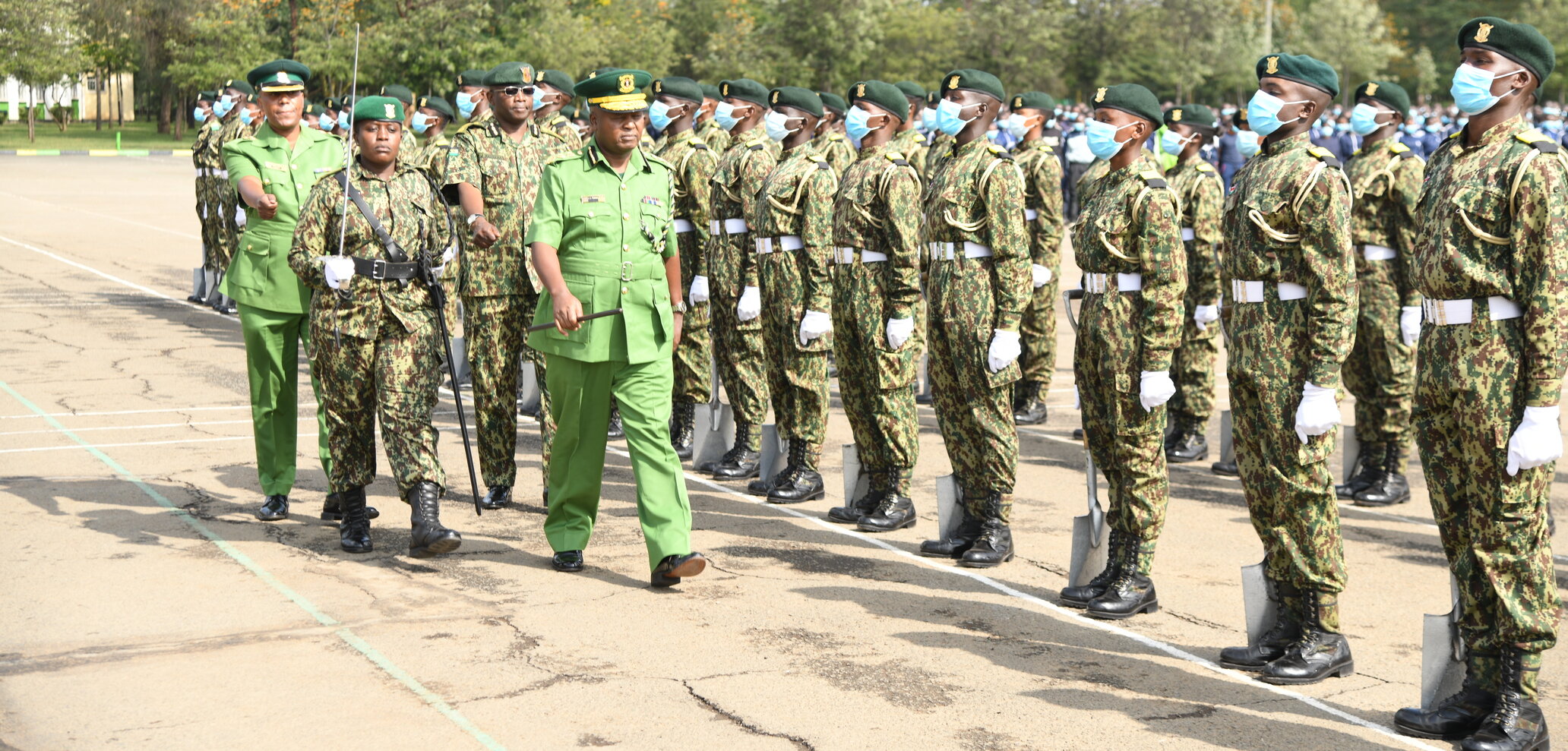
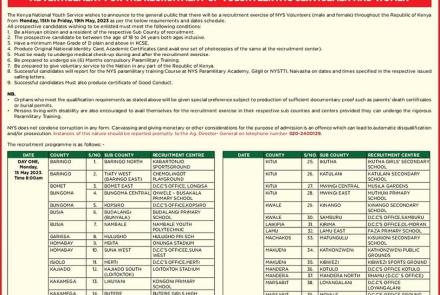
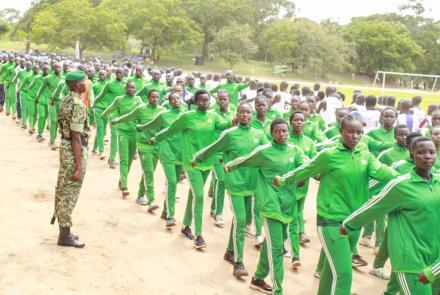
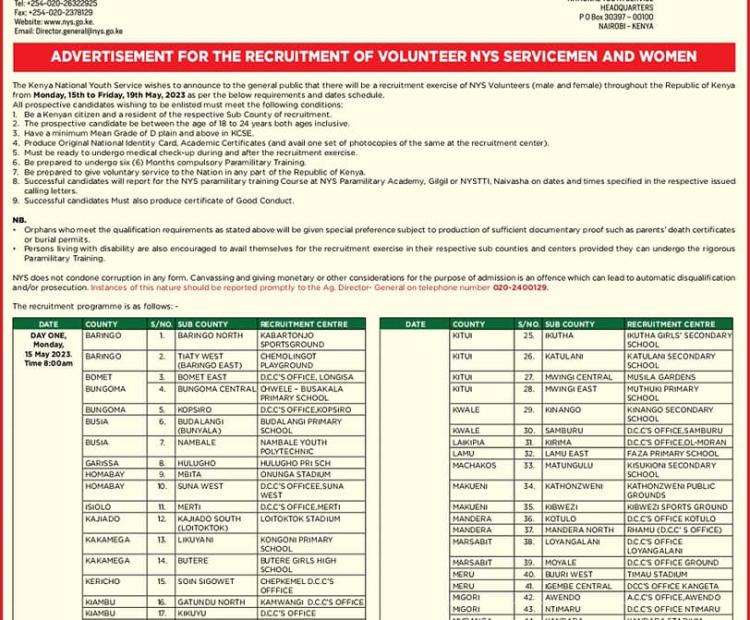
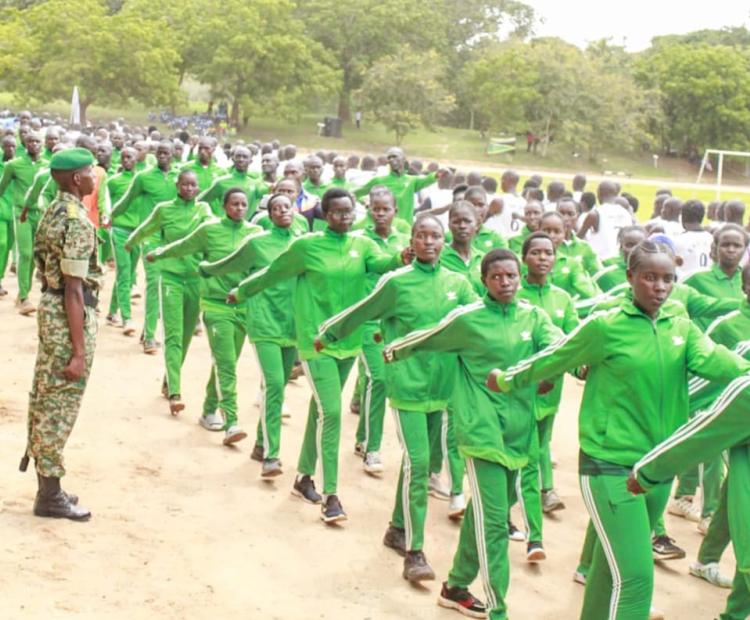
The Service enlists volunteer youth between the ages of 18 and 24 years through an open and transparent annual recruitment process. Although membership is voluntary, recruits undergo a six-month basic paramilitary training at NYS Paramilitary Academy Gilgil and Naivasha. The training instills discipline, resilience and patriotism among the recruits.

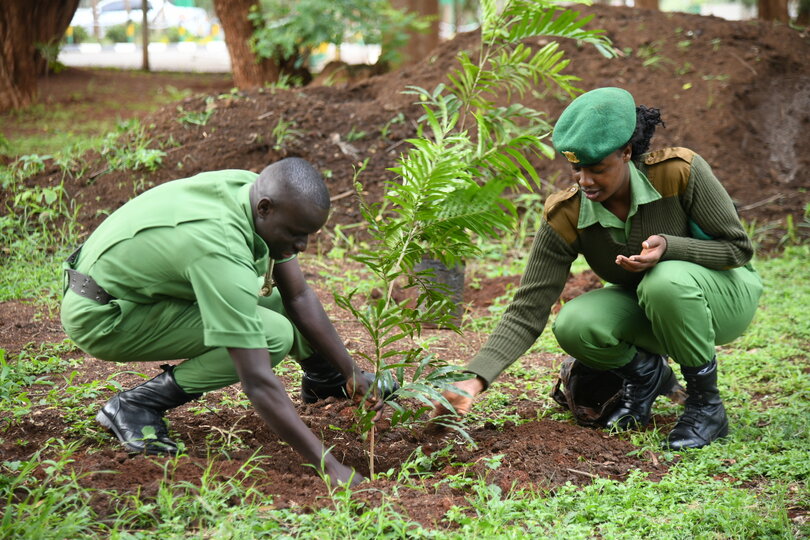
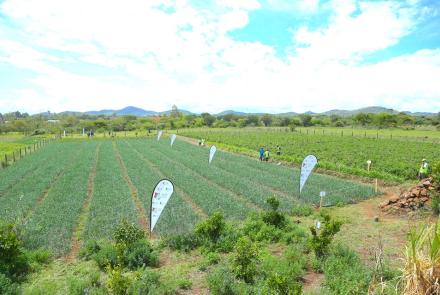
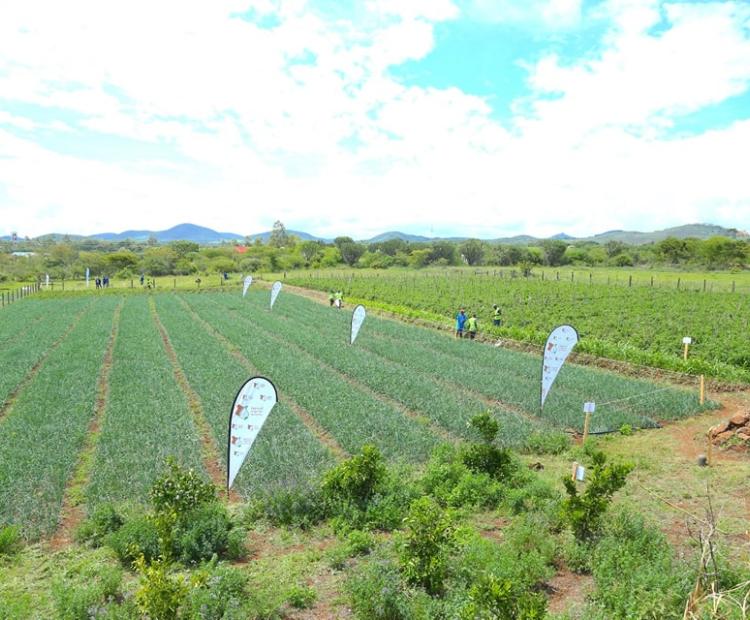
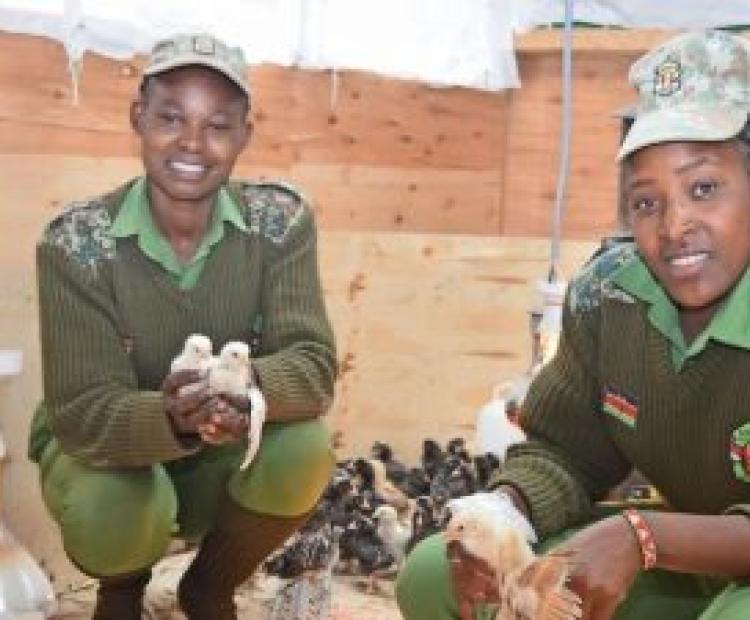
Upon completion of Basic Paramilitary Training, the recruits: now servicemen and women, transition into the National Service phase and are deployed to various NYS Camps across the country. During this period, they actively participate in nation-building activities, including the provision of security services, agribusiness, integrated road construction, and environmental conservation initiatives such as tree growing.

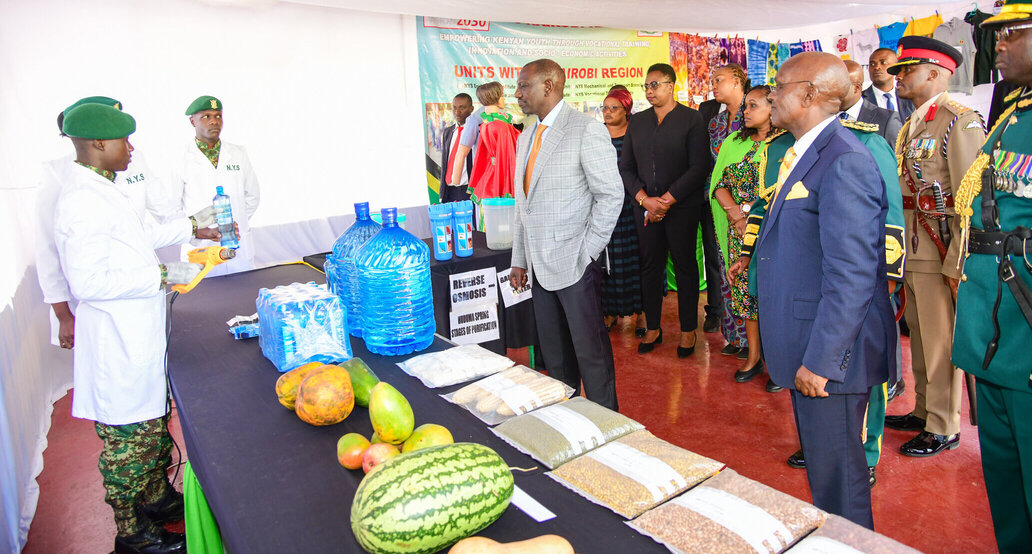
After successfully completing the National Service programme, the servicemen and women proceed to Technical and Vocational Education and Training (TVET). The training is offered at different levels across NYS training institutions, including artisan, craft certificate, technician, and diploma programmes. Currently, the Service operates 22 NYS Camps and 17 TVET institutions strategically located across the country.

Through the provision of market-driven skills, practical work experience, and structured national service programmes, the Service continues to play a vital role in addressing youth unemployment and strengthening youth participation in national development. This approach aligns with the vision of the Service: “Disciplined, Patriotic, Skilled, and Globally Competitive Youth.”

Consequently, the sustainability and continued success of the Service depend on the commitment, discipline, and active participation of Kenya’s youth in advancing the nation’s socio-economic transformation.

Read More
National Youth Service

Our Strategic Pillars

Paramilitary Training and Service Regimentation

National Service and Youth Re-Socialization

Technical and Vocational Training

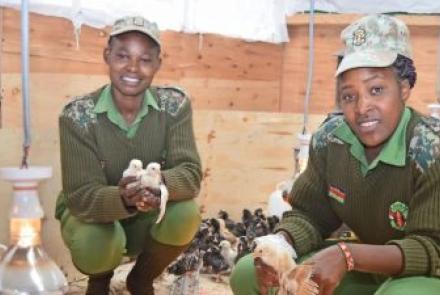
Commercial and Enterprise Development